

Best Digital Marketing Strategist in Malappuram
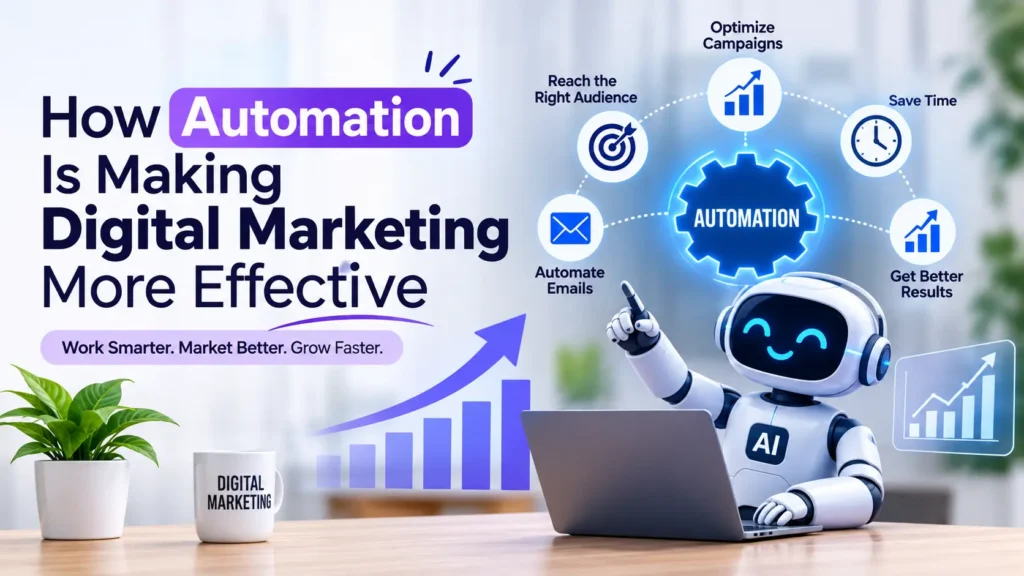
Digital marketing moves fast. Customers jump between platforms, expect quick replies and ignore anything that feels generic. Marketers who try to handle every task by hand soon find that they cannot keep up. Automation has become the answer, and it is changing how brands attract, engage and keep customers.
What Marketing Automation Really Means
Marketing automation uses software to handle repetitive tasks that once ate up hours of a marketer’s day. These tasks include sending emails, scheduling social media posts, sorting leads and reporting on results. The goal is not to replace human creativity. The goal is to remove the routine work so that people can focus on strategy, storytelling and building relationships
Saving Time and Reducing Errors
The most obvious benefit is time. A campaign that once needed a full day of setup can now run on a schedule you create once. Social media posts can be planned for an entire month in a single sitting. Email sequences can send themselves the moment a user signs up or abandons a cart.
Automation also reduces human error. Manual work often leads to missed deadlines, wrong links and forgotten follow ups. Automated workflows follow the same steps every time, which keeps campaigns consistent and dependable.
Personalisation at Scale
Customers want to feel understood. Automation makes this possible even when a brand serves thousands of people. Marketing tools track what users click, read and buy. They then use that information to deliver messages that fit each person’s interests.
A shopper who views running shoes can receive an email about similar products a day later. A reader who downloads a guide on SEO can be sent a short series of tips on the same subject. This kind of relevance makes people far more likely to respond, and it builds trust over time.
Smarter Lead Nurturing
Not every visitor is ready to buy on the first day. Many need time, information and gentle reminders. Automation helps brands nurture these leads without constant manual effort.
Lead scoring is a good example. The system gives points to actions such as opening an email, visiting a pricing page or watching a video. When a lead reaches a certain score, the sales team gets a notice to step in. This means salespeople spend their energy on warm prospects instead of guessing who might be interested.
Better Use of Data
Every campaign produces data, but data is only useful when someone reads it. Automation tools collect information from ads, websites, emails and social platforms in one place. Dashboards then show which campaigns are working and which are wasting money.
With this clarity, marketers can make decisions based on evidence instead of instinct. They can test two versions of a headline, see which one wins and apply the lesson straight away. Over time, small improvements add up to major gains in performance.
Improving Customer Experience
Speed matters to modern customers. Chatbots can answer common questions at any hour, which means people do not have to wait until the next working day. Automated order updates, welcome messages and reminders keep customers informed without extra effort from the team.
When customers feel looked after, they are more likely to return and recommend the brand to others. Good automation supports the whole customer journey, from first awareness to loyal repeat purchase.
Smarter Advertising
Paid advertising has also become more effective through automation. Platforms such as Google Ads and Meta now use machine learning to adjust bids, choose audiences and rotate creative assets. These systems react in minutes to changes in performance, something no person could match by hand.
Marketers still set the budget, the message and the goals. Automation simply carries out the daily adjustments, so money flows toward the ads that deliver the best return.
Challenges to Keep in Mind
Automation is powerful but it is not perfect. Messages that feel robotic can push customers away. Poor data can lead to irrelevant emails and embarrassing mistakes. Over reliance on tools can also weaken creative thinking.
The best approach is balance. Use automation for repetitive and data heavy work. Keep humans in charge of tone, ideas and genuine conversations. Review your workflows regularly to make sure they still match your audience and your brand voice.
Getting Started the Right Way
Beginners should start small. Pick one process that wastes the most time, such as email follow ups or social scheduling, and automate it first. Choose a tool that fits your budget and connects with the platforms you already use. Track the results for a few weeks, learn from them and then expand step by step.
Training matters as well. A tool is only as good as the person using it, so understanding strategy, audience research and analytics will always remain a valuable skill for marketers.
The Road Ahead
Automation will keep growing as artificial intelligence improves. Tools will predict customer behaviour more accurately, write better drafts and suggest improvements before problems appear. Marketers who learn to work alongside these tools will have a clear advantage.
Final Thoughts
Automation is making digital marketing faster, more accurate and more personal. It frees teams from repetitive tasks, turns raw data into useful insight and helps brands treat every customer as an individual. When it is paired with human creativity and care, it becomes one of the strongest assets a marketer can have. The brands that embrace it wisely today will be the ones that stand out tomorrow.